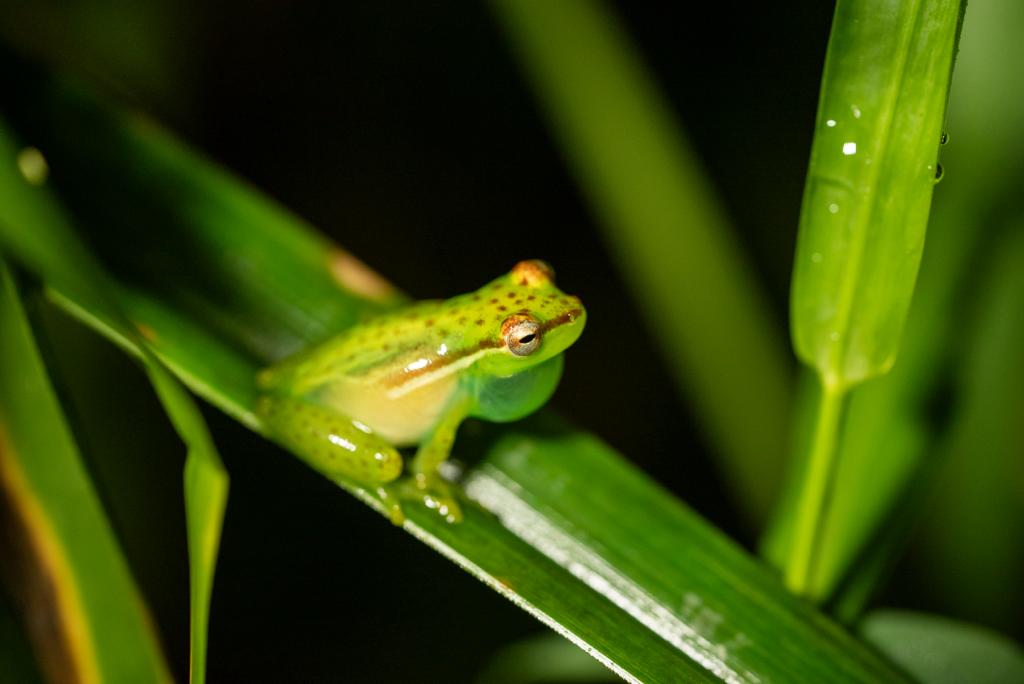
Discovery and Conservation of the Tlalocohyla Celeste: A New Leap in Costa Rican Biodiversity
Key Insights
- •Leverage local expertise in biodiversity research to uncover hidden species, as demonstrated by the collaboration between local naturalists and scientists in Costa Rica.
- •Emphasize the importance of transforming degraded landscapes into conservation areas, as seen with the Tapir Valley Nature Reserve's regeneration from a cattle ranch to a thriving ecosystem.
- •Engage in collaborative conservation efforts that combine scientific inquiry with local knowledge to enhance biodiversity outcomes and protect newly discovered species.
A New Species Emerges from Conservation
The journey to the discovery of Tlalocohyla celeste within the lush confines of Costa Rica's Tapir Valley Nature Reserve is a tale of curiosity, perseverance, and scientific inquiry. Spearheaded by Donald Varela Soto, a local naturalist, and supported by biologist Valeria Aspinall, this endeavor highlights the critical role of local expertise and scientific collaboration in unveiling the mysteries of biodiversity.
The detailed diagnosis of Tlalocohyla celeste, with its unique vocal sac, transparent ventral skin, and striking coloration, underscores the species' distinct place within its genus and amplifies our understanding of amphibian diversity. This discovery not only enriches the global taxonomy but also opens new avenues for research on amphibian evolution, ecology, and conservation.
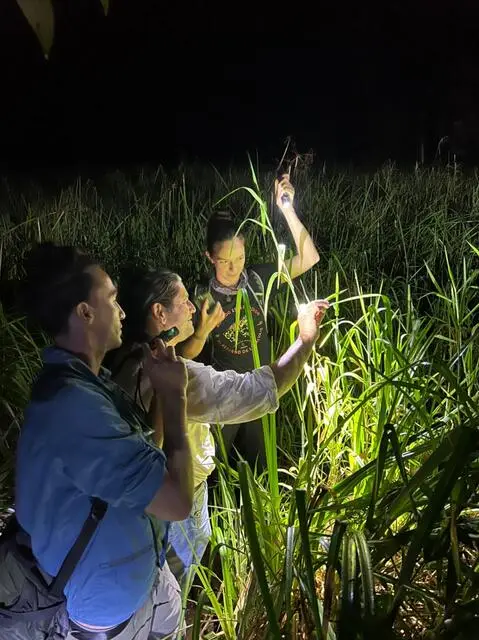
Researchers conducting nighttime fieldwork in the wetlands
The Visionaries Behind the Discovery
Donald Varela-Soto, a visionary and co-founder of the Tapir Valley Nature Reserve, has been instrumental in the transformation of a former cattle ranch into a thriving ecosystem. His deep connection to the land and its myriad sounds led to the initial discovery of Tlalocohyla celeste, a species that had eluded scientists until now. Varela-Soto's dedication to conservation and his intimate knowledge of the reserve's ecology were crucial in uncovering this hidden gem of biodiversity.
Valeria Aspinall, a biologist and a pivotal figure in the research team, brought her scientific expertise and passion for conservation to the forefront of this discovery. Her meticulous observations and analyses were instrumental in documenting the new species' unique characteristics and behaviors. Aspinall's role extended beyond the realms of academic research; she actively engaged in the conservation efforts that provided the foundation for the frog's habitat. Her collaboration with Varela-Soto exemplifies the synergy between scientific inquiry and conservation, a partnership that yields results far greater than the sum of its parts.

Biologist Valeria Aspinall conducting research in the wetlands
Conservation Efforts and Rewilding
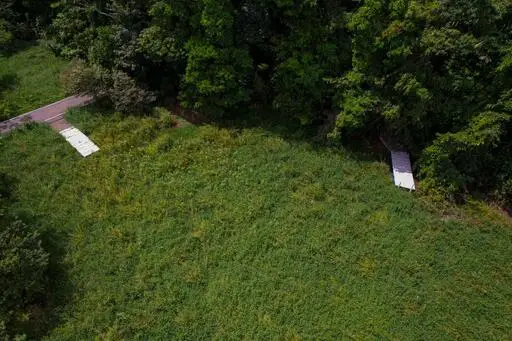
The reserve's transformation from pastureland to a biodiverse sanctuary was significantly supported by conservation organizations. A critical aspect of conserving Tlalocohyla celeste and its habitat has been the innovative management of ecotourism's ecological impact. With financial support from Grow Jungles, the reserve has constructed floating bridges across the wetlands, allowing visitors to immerse themselves in the reserve's natural beauty without contributing to chemical runoff into the ecosystem.
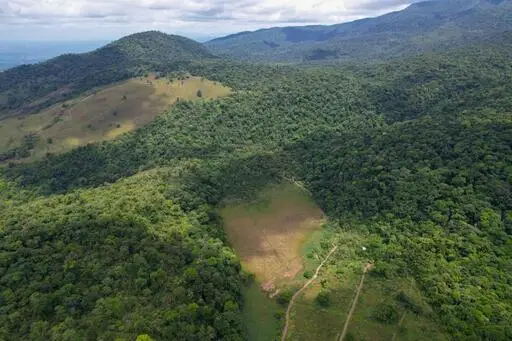
Aerial view of the Tapir Valley Nature Reserve
Floating bridges installed in the wetlands
Constructing floating bridges in the wetlands have been pivotal in mitigating the ecological impact of visitors, reducing potential chemical runoff into the waterways—a threat to the delicate ecosystem supporting Tlalocohyla celeste.
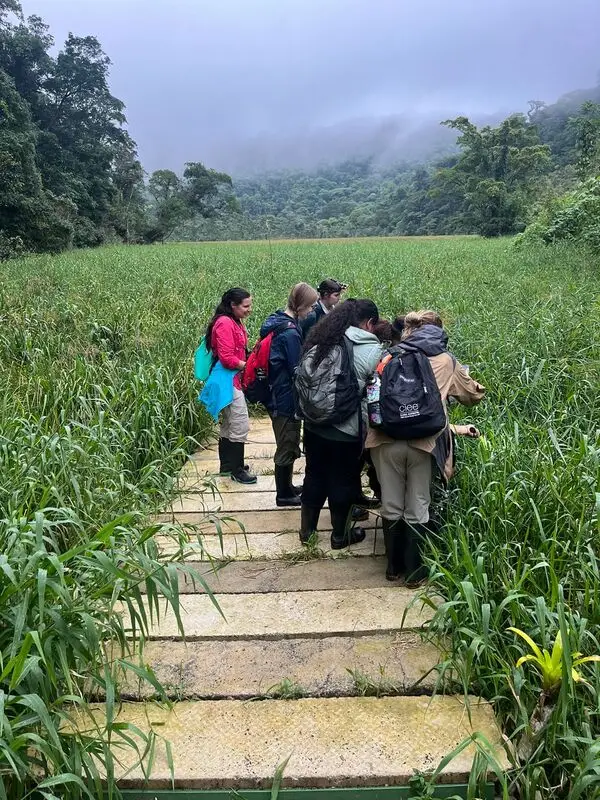
Researchers on floating bridge during daytime field work
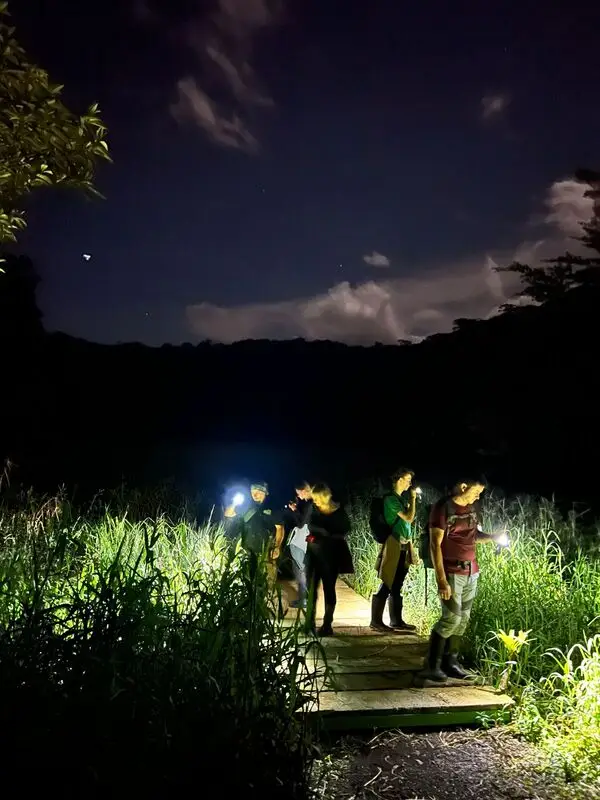
Nighttime research expedition on the floating bridges
The collaborative effort between the reserve's stewards and conservation groups underscores a broader narrative of ecological restoration and sustainable coexistence between humans and wildlife. The Tapir Valley Nature Reserve serves as a living laboratory, showcasing the successful regeneration of forest ecosystems and the emergence of new species like Tlalocohyla celeste.
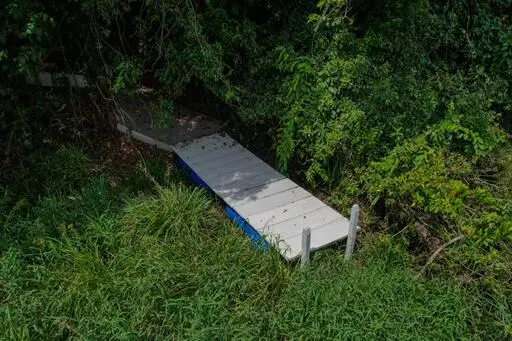
Aerial view of floating bridge infrastructure
Unique Traits of Tlalocohyla Celeste
To enrich our understanding of the newly discovered Tapir Valley tree frog, Tlalocohyla celeste, it is essential to delve into the scientific data that distinguishes this species from its congeners and underscores its unique place within the ecosystem of the Tapir Valley Nature Reserve.
Morphological Characteristics
Tlalocohyla celeste is characterized by its diminutive size, with adult males measuring approximately 21 mm in snout-vent length (SVL) and females slightly larger at about 24 mm SVL. This size distinction makes it one of the smallest members within the Hylidae family identified in Costa Rica. The absence of a tympanic membrane, a developed vocal sac extending to the pectoral region, and the lack of vomerine teeth are among its defining morphological traits. Additionally, its dorsal coloration, a vibrant yellow-green, sets it apart from other species, complemented by a unique pattern of coloration and markings, including a distinct incomplete sulfur white dorsolateral stripe bordered by a diffuse mahogany red stripe.
Bioacoustic Properties
The vocal repertoire of Tlalocohyla celeste is notably diverse, with at least three distinct call types identified. These calls range from trills and squeaks to croaks, each with specific frequencies and patterns that facilitate identification and communication among individuals. This bioacoustic diversity not only aids in mating and territorial disputes but also provides insights into the species' evolutionary adaptations to its environment.
Habitat and Ecology
Tlalocohyla celeste is endemic to a specific wetland habitat within the Tapir Valley Nature Reserve, highlighting its highly specialized habitat requirements. The wetland's unique conditions, including water chemistry, vegetation type, and microclimate, play a crucial role in the frog's lifecycle and reproductive strategies. Observations indicate that Tlalocohyla celeste employs a unique reproductive mode, with eggs deposited on leaves above water, suggesting a complex interaction with its environment that necessitates further study.
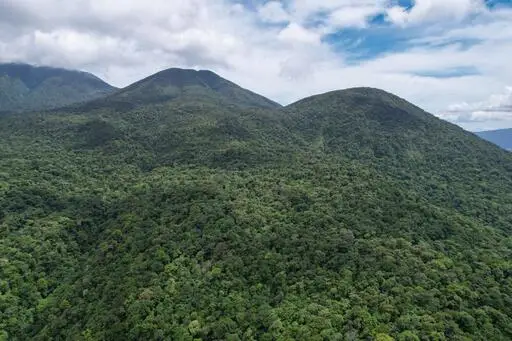
Aerial view of the reserve's diverse landscape
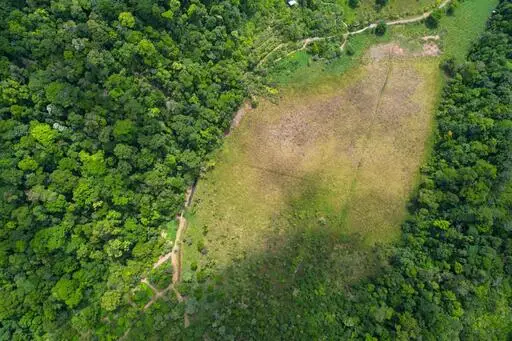
Tapir Valley's regenerating forest habitat
Conservation Status
Given its limited range, confined to an 8-hectare wetland, and specialized habitat needs, Tlalocohyla celeste is considered critically endangered. Its survival is intricately linked to the conservation of its wetland habitat, underscoring the importance of ongoing conservation efforts within the Tapir Valley Nature Reserve. The species' vulnerability to habitat alteration, pollution, and climate change highlights the urgent need for targeted conservation strategies to ensure its long-term survival.
Phylogenetic Analysis
Preliminary genetic studies suggest that Tlalocohyla celeste is closely related to other members of the Tlalocohyla genus, yet distinct enough to warrant its classification as a new species. These analyses provide a framework for understanding the evolutionary history of the genus and the ecological niches that Tlalocohyla celeste and its relatives occupy.
A Beacon of Hope for Conservation
In conclusion, the story of Tlalocohyla celeste is not just about the discovery of a new species; it's a narrative about human impact, the power of conservation, and the endless mysteries that nature holds. It reminds us of our responsibility to protect these fragile ecosystems and the life they support, ensuring that the chorus of the Tapir Valley tree frog continues to echo through the forests of Costa Rica for generations to come.
The scientific data surrounding Tlalocohyla celeste not only enriches our understanding of this newly discovered species but also highlights the complexity of tropical ecosystems and the intricate relationships between species and their environments. The conservation of Tlalocohyla celeste and its habitat within the Tapir Valley Nature Reserve represents a critical step in preserving the biodiversity and ecological integrity of this unique ecosystem.
Further research and monitoring are essential to uncover the full extent of the species' biology, ecology, and conservation needs. The Tapir Valley Nature Reserve, with its commitment to conservation and scientific inquiry, stands as a beacon of hope for the future of tropical biodiversity and the countless species that depend on these vital ecosystems.
You Might Also Like
More stories on similar topics
Share this story
Related Stories

In the Footsteps of the Jaguar: A Journey into the Heart of Jaguar Territory
Artist Tico Haroutiounian's obsession with the elusive melanistic jaguar led him deep into the rainforests of the Osa Peninsula, where patience, danger, and determination culminated in a breathtaking face-to-face encounter with the wild.
The Extinction of the Harpy Eagle (Harpia harpyia) in Costa Rica
As deforestation escalates and hunting pressures increase, the magnificent Harpy Eagle faces extinction in Central America. Discover how organizations like the Peregrine Fund are working to save this incredible species.
The Extinction of the Giant Anteater (Myrmecophaga tridactyla) in Costa Rica
The giant anteater faces extinction in Costa Rica due to habitat loss, fires, poaching, and roadkill. Discover why this unique creature is vulnerable and what conservation efforts are underway to save it.