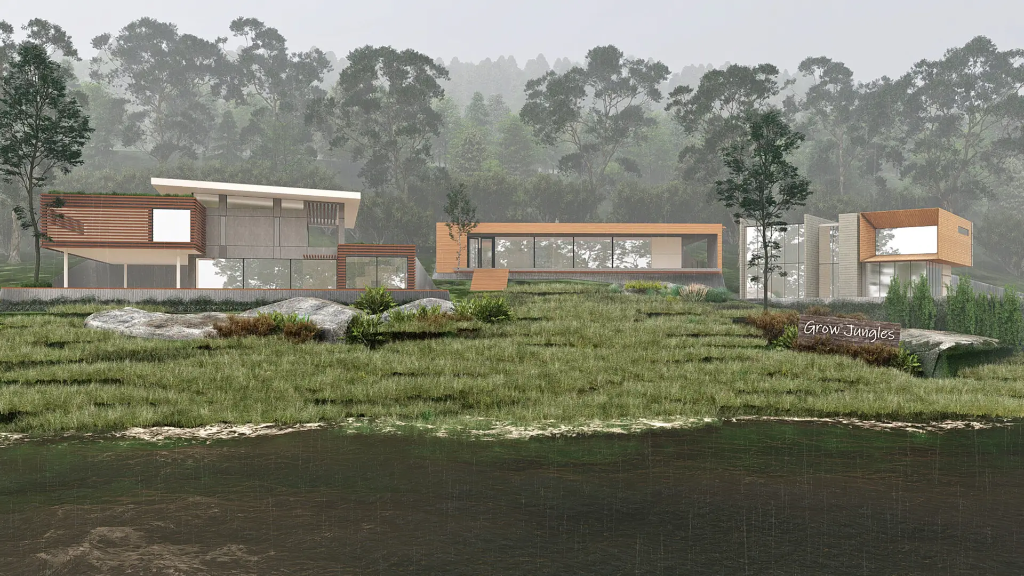
“"The reserve will be a model for self-sustainability and eco-adaptability. We want to establish this reserve in Costa Rica because of its biodiversity and as a native home to the jaguar, puma, tapir, monkey species, a wide variety of reptiles, and endless trees and plants."”
— Grow Jungles
Returning the harpy eagle to the sky
The reserve exists for one purpose: returning lost species to forests that can still hold them. We begin with the harpy eagle — the most powerful raptor in the Americas, and one of the first to vanish when the canopy falls.
Breeding, acclimation, release and long-term monitoring — all in one place, surrounded by protected corridor. Where the harpy thrives, jaguar, macaw and tapir follow.
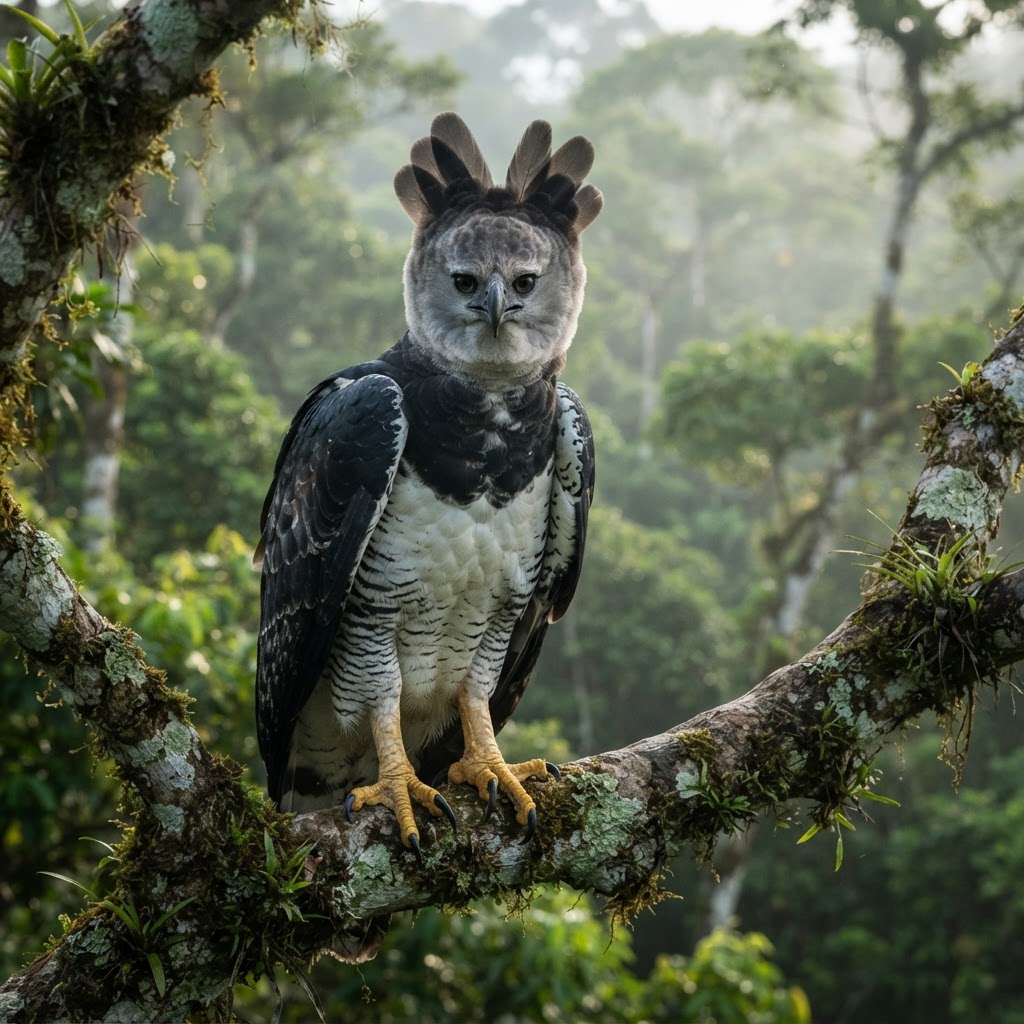
Harpia harpyja — the first to return
Rewilding only works if people thrive
The reserve will be one of the largest employers in the area — real, fairly paid work and training for the people who live beside the forest.
Wildlife keepers
Local teams trained in breeding, veterinary care and release protocols.
Forest rangers
Corridor patrols, camera traps, and response to illegal logging and poaching.
Guides & interpretation
Community guides hosting researchers, students and visitors.
Nurseries & building
Native tree production, trails and buildings made with regional hands and materials.
What the Reserve Will Achieve
A modern approach to conservation — democratizing the technical skill set needed to protect biodiversity at scale.
Big Data & Machine Learning
Advanced technology for wildlife monitoring, habitat analysis, and corridor tracking at scale.
Community Education
Training local communities in conservation technology, rewilding practices, and environmental stewardship.
Sustainable Infrastructure
Solar energy, rainwater collection, and eco-adaptable design for full self-sustainability.
Rewilding & Restoration
Active reforestation and wildlife reintroduction to restore degraded habitat within the reserve.
Why Costa Rica?
Costa Rica is one of the most biodiverse places on earth — home to 5% of the world's species on just 0.03% of the planet's surface. Its network of national parks and biological corridors makes it the ideal location for a conservation training center.
By mobilizing the surrounding community and utilizing crowdsource technology, data, and skill sets, we can make Costa Rica the global leader in advanced conservation technology within a tropical rainforest.
The reserve will sit within a critical biological corridor — actively contributing to wildlife movement and habitat connectivity while serving as a living classroom for future conservation leaders.
Architectural rendering — concept visualization of the future reserve