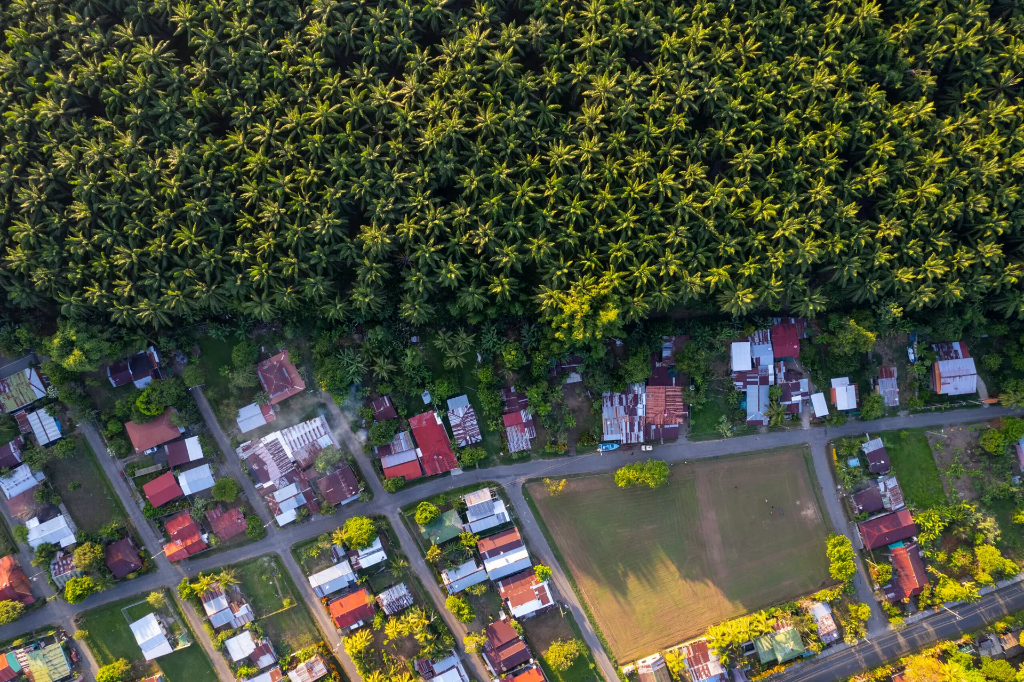
Costa Rica's Greenwashing: The Fight for Authentic Environmentalism
Key Insights
- •Be cautious of eco-labels, as many products and real estate developments may engage in greenwashing, misleading consumers about their environmental impacts.
- •Advocate for stricter regulations on real estate practices in eco-sensitive areas to prevent illegal land-clearing methods that harm local ecosystems.
- •Support genuine eco-friendly businesses and initiatives by researching and verifying their environmental claims before making purchasing decisions.
In a world increasingly driven by environmental consciousness, few things offer a greater sense of satisfaction than making a purchase that promises to benefit the planet. Whether it's a product labeled "organic," "eco-friendly," or a vacation stay in an "ecotourism" lodge, these choices are marketed as contributions to a healthier Earth. Yet, the allure of these green labels often masks a more complex and troubling reality.
Costa Rica, often lauded as a beacon of sustainability and eco-tourism, faces significant challenges behind its green facade. The country's booming real estate market, promoted as environmentally friendly, frequently practices greenwashing—where developers falsely advertise their projects as eco-conscious while engaging in environmentally harmful practices. Meanwhile, the country's commitment to renewable energy is complicated by the extensive use of hydroelectric dams, which, despite their green credentials, carry profound environmental costs.
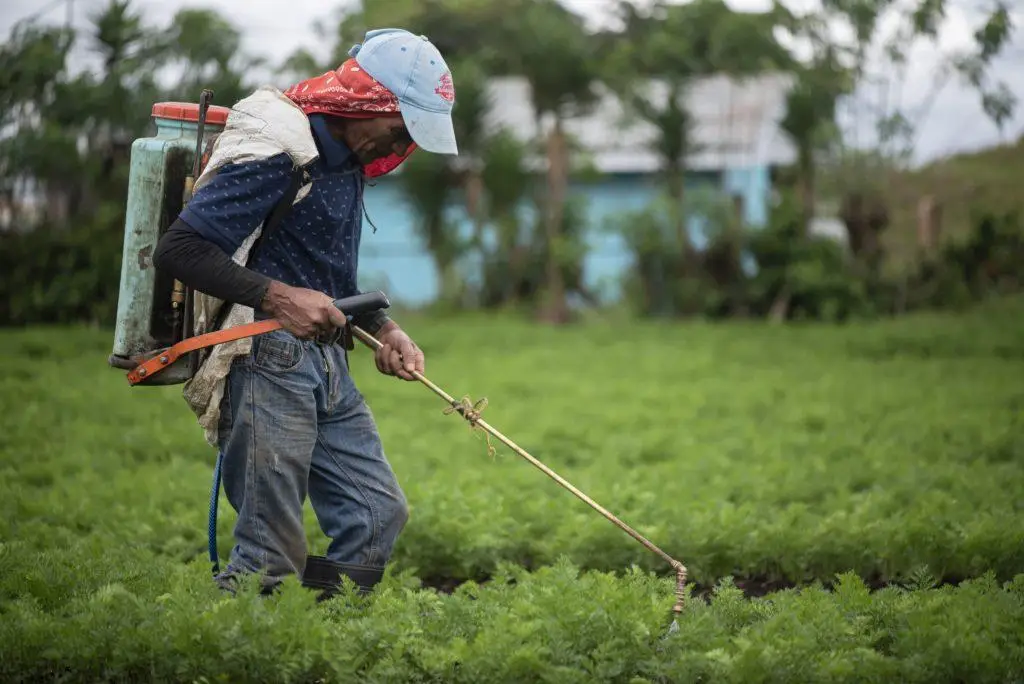
Further complicating the picture is the extensive use of pesticides in Costa Rica's agriculture sector, particularly in banana plantations, which poses severe risks to both human health and the environment. The heavy use of these chemicals not only contaminates local water supplies but also impacts the delicate ecosystems of neotropical rivers.
In this article, we will unravel these issues, exposing the greenwashing prevalent in Costa Rica's real estate and tourism sectors, the environmental and social costs of hydroelectric power, and the devastating impact of pesticide use. By understanding the true costs behind these green labels, we can better advocate for genuine sustainability and accountability in both environmental practices and business claims.
Greenwashing in Costa Rica's Real Estate Market
Costa Rica's real estate market, particularly in rapidly developing regions like Costa Ballena, has experienced a surge in new projects. While some developers genuinely implement environmentally-friendly practices, others misuse the eco-friendly label to attract buyers without making substantive changes. This discrepancy raises concerns about the integrity of green marketing in real estate. Key issues include:
Illegal Land-Clearing Practices: Some developers engage in illegal slash-and-burn agriculture to clear land for high-density developments. These practices are often hidden from regulatory authorities, resulting in significant environmental damage. The cleared land suffers from soil erosion and increased sedimentation in nearby rivers, disrupting aquatic ecosystems.
Negative Greenwashing Example: An instance of negative greenwashing in this context is the Eco-Estates Costa Ballena project. Marketed as an eco-friendly development, it was found that the developers used illegal slash-and-burn methods to clear land, despite their claims of sustainable practices. This approach led to severe environmental damage, including erosion and sedimentation affecting local rivers and marine life.
Destruction of Ecosystems: The resulting sedimentation from these practices often impacts critical ecosystems, including mangroves, coral reefs, and other marine environments. The destruction of these habitats undermines biodiversity and compromises the health of local waterways.
Positive Non-Greenwashing Example: In contrast, the Osa Peninsula Conservation Development project stands out as a model of genuine sustainability. This development prioritizes the preservation of existing ecosystems and integrates conservation practices into its design. It includes measures such as habitat restoration, responsible waste management, and protection of local wildlife, ensuring that development does not come at the expense of the environment.
Intimidation of Whistleblowers: Individuals who expose illegal environmental practices often face threats and intimidation, including legal actions and physical violence. This suppression of dissent inhibits effective regulatory oversight and diminishes public accountability.
Positive Non-Greenwashing Example: A notable counterexample is the Community Watchdog Program, initiated by local environmental NGOs. This program supports and protects whistleblowers who report illegal environmental activities. It provides legal assistance and advocacy, fostering transparency and encouraging community members to hold developers accountable for their environmental impact.
The Importance of Authentic Sustainability
To address the issue of greenwashing, consumers must adopt a critical and informed approach. Authentic eco-friendly businesses provide specific, concrete evidence of their environmental contributions. Key strategies for verification include:
- Alignment with International Standards: Check for adherence to international sustainability initiatives and credible certifications.
- Verification by Local Organizations: In Costa Ballena, organizations such as Osa Vive play a crucial role in promoting sustainable development and providing information on responsible land development practices.
- Educating Consumers: Understanding genuine sustainability practices is essential. As noted by Courtney Lindwall of the National Resources Defense Council, greenwashing erodes consumer trust and complicates the verification of legitimate environmental claims.
Data on Pesticide Use in Costa Rica
Costa Rica's extensive use of pesticides, particularly in the banana industry, poses significant environmental and health risks. Key data points include:
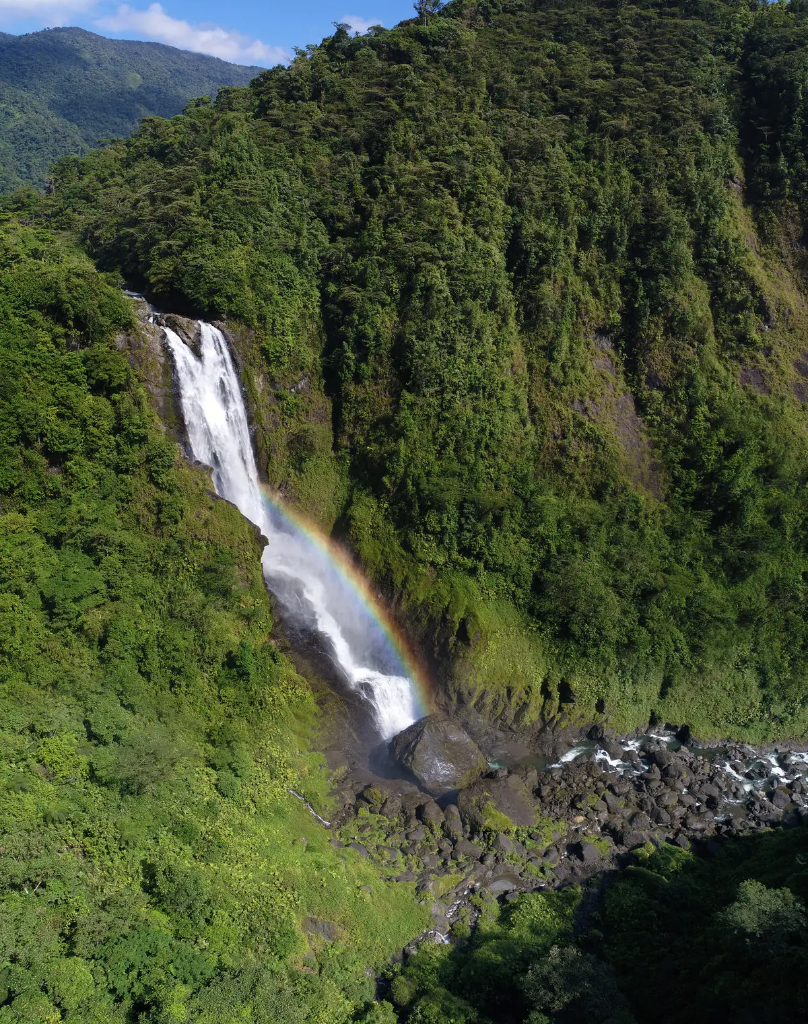
A vibrant neotropical river showcasing the beauty at risk from greenwashing practices.
Pesticide Authorization: Costa Rican banana plantations use 79 different pesticide molecules available in 818 products, including fungicides, herbicides, insecticides, and nematicides. Many of these pesticides are banned in the European Union and the United States.
Comparative Pesticide Load:
- In Germany, approximately 8 kilograms of pesticides are used per hectare annually on vineyards.
- In Costa Rican banana plantations, the application rate reaches up to 70 kilograms per hectare, ten times higher than in temperate regions.
Health Impacts on Workers: Intensive pesticide use has led to numerous health issues among banana workers. Studies indicate that over 10% of workers handling pesticide-laden bags suffer from severe eye conditions such as cataracts and partial blindness.
Community Health Risks:
- In Matina County, half of the elementary schools are located within 500 feet of banana fields, exposing children to harmful chemicals.
- Pregnant women in these areas show elevated levels of the fungicide mancozeb, linked to sterility, birth defects, and cancer.
Pesticide Poisoning: Between 2010 and 2020, 58 people in Costa Rica died from pesticide poisoning, underscoring the critical need for regulatory reform and improved safety measures.
Impact on Neotropical Rivers
Neotropical rivers in Costa Rica are essential ecosystems that face severe threats from agricultural practices, particularly due to the extensive use of pesticides. These rivers support a rich diversity of aquatic life and provide vital resources for local communities.
Contamination Levels: High levels of pesticide contamination have been detected in neotropical rivers, including substances that are banned in other countries due to their harmful effects. This contamination results from runoff from agricultural lands, where pesticides are heavily used.
Negative Example: The La Bonanza Banana Plantation near the Matina River is an example of severe pesticide contamination. The plantation's runoff has been identified as a major source of pesticide pollution in the river. Residues of banned pesticides, such as chlorothalonil and mancozeb, have been found at dangerously high levels, affecting both the river's ecosystem and local communities.
Positive Example: In contrast, the Agroforestry River Protection Project in the Osa Peninsula illustrates successful efforts to manage pesticide impact. This project promotes the use of integrated pest management (IPM) practices, which include reducing pesticide use and employing natural pest control methods. The project also supports buffer zones along riverbanks to minimize pesticide runoff, helping to maintain the health of local waterways.
Fish Populations: Elevated pesticide levels in these rivers disrupt aquatic ecosystems by affecting fish populations. High pesticide concentrations can be toxic to fish and other aquatic organisms, leading to reduced biodiversity and altered food webs.
Negative Example: The Río Pacuare Contamination Incident highlights the detrimental impact of pesticide use on fish populations. An investigation revealed that pesticide runoff from nearby agricultural fields caused fish kills in the Río Pacuare, leading to a significant decline in fish species and disrupting the local aquatic ecosystem.
Positive Example: The Fish Recovery Program implemented in the Río Savegre aims to counteract the effects of pesticide pollution. This program includes fish stocking, habitat restoration, and monitoring of pesticide levels to support the recovery of fish populations and enhance the river's ecological health.
Human Health: Communities that depend on these rivers for drinking water and irrigation are exposed to health risks due to pesticide contamination. Long-term exposure to pesticides can lead to various health problems, including respiratory issues and neurological disorders.
Negative Example: In the Matina County Health Crisis, elevated levels of pesticides in drinking water have been linked to a rise in health problems among residents, including skin conditions and respiratory issues. The contamination has led to increased reliance on bottled water and healthcare services.
Positive Example: The Clean Water Initiative in the region has focused on providing alternative, safe water sources to affected communities. By offering access to clean water through filtration systems and improving water infrastructure, this initiative aims to reduce health risks associated with pesticide contamination.
Ecological Disruptions: The long-term impacts of pesticide pollution include disruptions in food webs and declines in sensitive species. The contamination affects the entire river ecosystem, leading to reduced biodiversity and altered ecological processes.
Negative Example: The Ecosystem Collapse in the Río Tempisque has been attributed to high pesticide levels, which have caused significant declines in sensitive species and altered food web dynamics. The river's once-abundant biodiversity has been severely impacted, demonstrating the far-reaching effects of pesticide pollution.
Positive Example: The Ecosystem Restoration Partnership in the Río Chirripó aims to address ecological disruptions by restoring affected habitats and implementing conservation measures. The partnership involves local communities, conservation organizations, and government agencies working together to rehabilitate the river's ecosystem and support the recovery of native species.
Efforts to Mitigate Pesticide Pollution:
- Policy Implementation: Effective policy measures are essential for reducing pesticide use and promoting sustainable agricultural practices.
- Collaborative Efforts: Addressing pesticide pollution requires the involvement of governments, environmental organizations, and local communities.
Increasing Pesticide Use and Water Contamination
Residents in Costa Rica's agricultural regions are grappling with severe water contamination issues due to increasing pesticide use. Chlorothalonil, a fungicide banned in Europe and recently restricted in Costa Rica, has been detected in local springs.
Unsafe Drinking Water:
Negative Example: The San Carlos Region Contamination Incident involved high levels of chlorothalonil residues detected in the local water supply. Residents faced serious health risks due to unsafe tap water, leading to increased reliance on water deliveries. The contamination resulted in widespread public health concerns, with local clinics reporting higher rates of waterborne illnesses.
Positive Example: In contrast, the Talamanca Safe Water Initiative has effectively tackled the issue of unsafe drinking water through the implementation of advanced water filtration systems. By partnering with environmental NGOs and local authorities, the initiative has provided affected communities with access to clean, safe drinking water.
Hydroelectric Power and Energy Challenges
Costa Rica's hydroelectric power is a cornerstone of the country's nearly 100% renewable electricity grid. However, it faces challenges due to unusual rainfall patterns and increased reliance on fossil fuels.
Unusual Rainfall Patterns:
Negative Example: The 2016 El Niño Drought Crisis is a stark illustration of how unusual rainfall patterns can impact hydroelectric power. During the El Niño event of 2016, Costa Rica experienced significantly reduced rainfall, leading to a sharp decline in water levels at key hydroelectric reservoirs.
Positive Example: The Costa Rica Climate Resilience Initiative has been instrumental in enhancing the resilience of the country's hydroelectric infrastructure. This initiative includes advanced weather forecasting systems, improved water management practices, and investment in alternative renewable energy sources such as wind and solar power.
Marine Resources and Tourism Impact
Costa Rica's extensive ocean territory presents both opportunities and challenges for marine resource management and tourism.
Marine Resource Management:
Negative Example: The Corcovado National Park Overfishing Issue serves as an example of mismanagement of marine resources. Local fish stocks have been severely depleted due to unsustainable fishing practices.
Positive Example: The Marine Protected Areas Expansion Initiative exemplifies effective sustainable marine resource management. In 2023, Costa Rica dramatically increased its marine protected areas from 2.7% to over 30% of its territorial waters. The expanded Cocos Island National Park and its surrounding marine protected area now span over 5 million hectares, making it 26 times larger than its previous size.
Ecotourism and Ecolodges: True Green or Greenwashing?
Costa Rica's ecotourism sector faces scrutiny over the authenticity of its green claims.
Genuine Practices:
Positive Example 1: Lapa Rios Lodge, located in the Osa Peninsula, is renowned for its genuine commitment to sustainability. The lodge operates using solar energy, engages in extensive recycling programs, and supports local conservation projects.
Positive Example 2: Rancho Margot, situated in the Arenal Volcano area, runs a self-sustaining farm, uses hydroelectric power, and practices water recycling.
Positive Example 3: Finca Rosa Blanca Coffee Farm and Inn combines ecotourism operations with sustainable coffee farming, using organic farming practices and implementing water-saving technologies.
Greenwashing Concerns:
Negative Greenwashing Example: The Hotel Riu Palace, despite its claims of being eco-friendly, has faced criticism for not living up to its green marketing. Reports have indicated that the hotel's environmental practices are superficial, with minimal efforts towards waste management or energy efficiency.
All Hope is Not Lost
Despite the widespread challenges, hope persists in Costa Rica through the determined efforts of grassroots organizations, local communities, and individuals committed to genuine sustainability.
Rural small organizations in Costa Rica are leading the charge against environmental injustice. Teachers in these communities play a crucial role by integrating environmental education into their curriculums, empowering young minds to become informed stewards of the environment.
Costa Ricans have a history of resisting environmental injustices. The successful campaign against the construction of the El Diquís Dam on the Térraba River showcased the power of community activism. Local groups and indigenous communities challenged the project on the grounds of its adverse impact on local ecosystems and cultural heritage.
Furthermore, Costa Rica's rich tradition of environmental activism includes initiatives such as the establishment of conservation areas and the promotion of sustainable tourism practices. The Costa Rica Wildlife Foundation plays a pivotal role in protecting wildlife and their habitats. Additionally, Grow Jungles is actively involved in reforestation and habitat restoration efforts, working to restore degraded landscapes and support local biodiversity through community engagement and sustainable practices.
In summary, while Costa Rica faces considerable challenges in its quest for genuine sustainability, the nation's ongoing struggle against environmental injustices and greenwashing is marked by the dedication of local organizations, educators, and activists. Their perseverance serves as a beacon of hope.
References
- van Hoving-van Tonder, et al. (2022). Pesticide Use and Health Risk among Costa Rican Banana Plantation Workers. Environment International.
- Environmental Biophysics. (2023). Unraveling the Effects of Dams in Costa Rica.
- Waterkeeper. (2015). The False Promise of Hydropower.
- Pacific Standard. (2018). The Dams That Could Change Costa Rica Forever.
You Might Also Like
More stories on similar topics
Share this story
Related Stories
The Burned Ranch at the End of the World
Gold, jaguars, and the long reinvention of a jungle village. Juan Cubillo Gomez is knee-deep in a creek behind his house in Rancho Quemado, holding a shallow metal pan the way you hold something you have held ten thousand times before. After sixty years of panning for gold, he now guides visitors through the mechanics of artisanal gold panning while explaining what he is doing to paying guests — a performance that is also a reality.
Successful Reforestation Project in Osa Peninsula
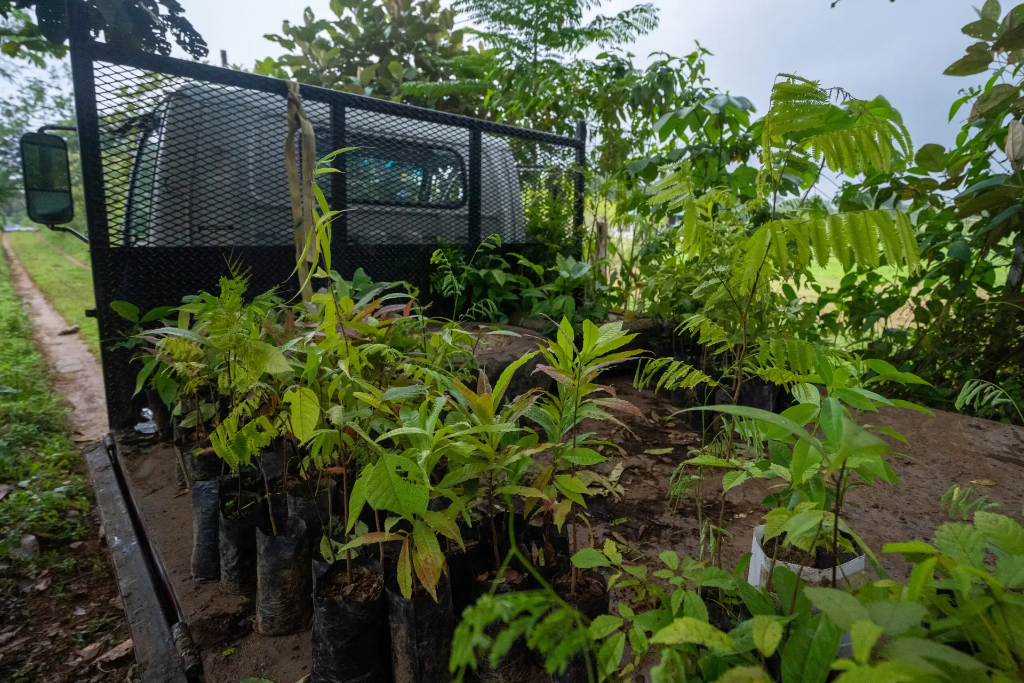
Grow Jungles partnered with Osa Conservation to plant 1,500 native trees across a two-hectare plot on the Osa Peninsula, including critically endangered Canelillo species. This reforestation initiative demonstrates strategic conservation efforts to restore biodiversity in one of the world's most biodiverse regions.
Talamanca: Conservation's Next Frontier
The Cordillera de Talamanca stretches from Southeast Costa Rica to Western Panama, housing some of Central America's most biologically diverse ecosystems and serving as a critical refuge for endemic species and indigenous communities.